Frogmask : the partner of people allergic to pollen
The arrival of sunny days is also synonymous with periods of apprehension for millions of people.
The culprit: pollen! Invisible but omnipresent in our daily lives, this substance produced by the plant world represents an allergic risk which is not negligible.
The solution ? A reliable and practical shield against this silent invasion: the anti-pollen mask .
The Frogmask anti-pollen mask is not only a physical barrier against the risk of pollen allergies, but a lifestyle choice that allows everyone to breathe freely, without compromising on health or style.
With Frogmask breathe freely and healthily with our anti-pollution masks , our anti-dust masks , our anti-allergy masks, or even our respiratory face masks
FAQ: Masks and Protection Against Pollen
1. Is a simple cloth or surgical mask enough to protect against pollen?
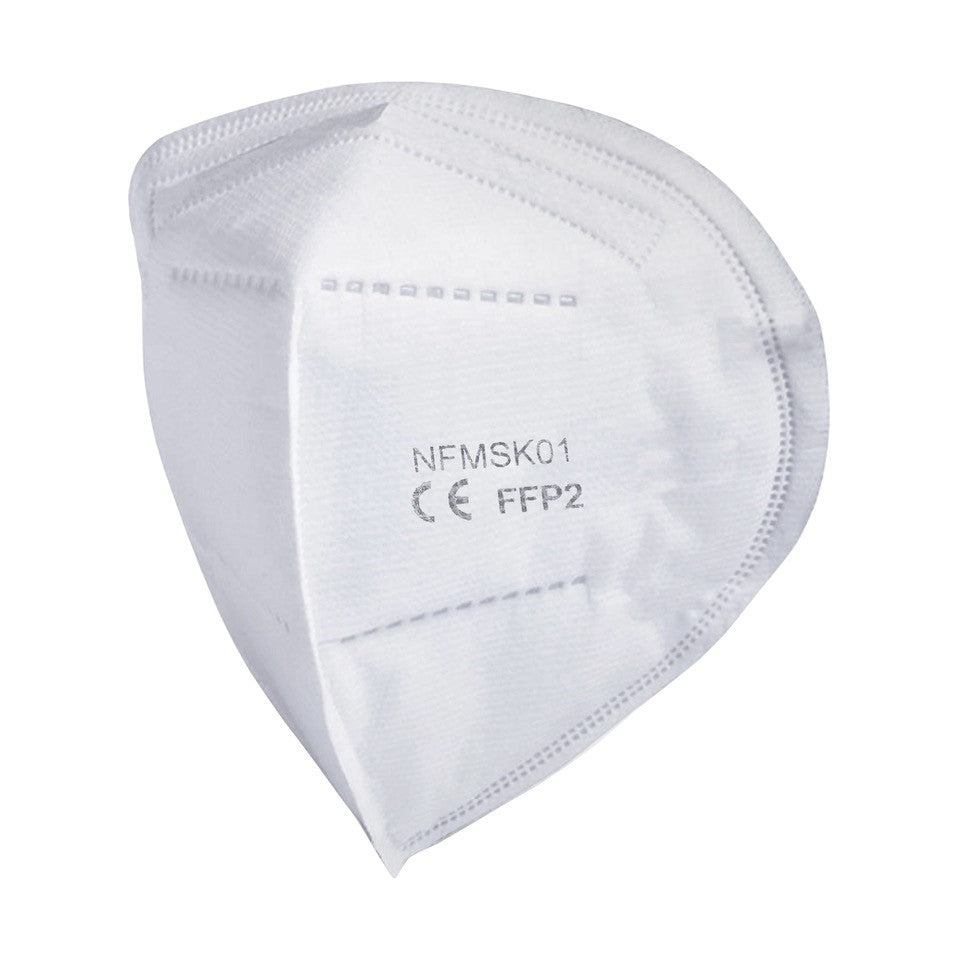
No, and this is a common mistake. Surgical masks or light cloth masks are designed to trap the droplets you emit, not to filter incoming air. Furthermore, they do not seal perfectly against the face. Pollen, although large, easily slips through the gaps on the sides (cheeks and nose). For real protection, you need a tight-fitting mask with a certified filter (such as FFP2 or a high-performance particulate filter) that forces all air to pass through the filter rather than around the edges.
2. Isn't pollen too small to be stopped by a mask?
Quite the opposite! On the scale of fine particles, pollen is a "giant." While viruses or smoke measure less than a micron, a pollen grain typically measures between 20 and 100 microns. High-performance filters (like FFP2 standards) trap 95% of microscopic particles down to 0.3 microns. Pollen is therefore 100% blocked by the filtering material. It is physically impossible for a pollen grain to pass through a good filter.
3. Can you exercise (cycling, running) with a pollen mask?
Yes, but not with just any mask. If you use a disposable paper dust mask from a hardware store, breathing will be very difficult: the mask will suck against your mouth when you inhale, moisture will build up, and you will feel suffocated.
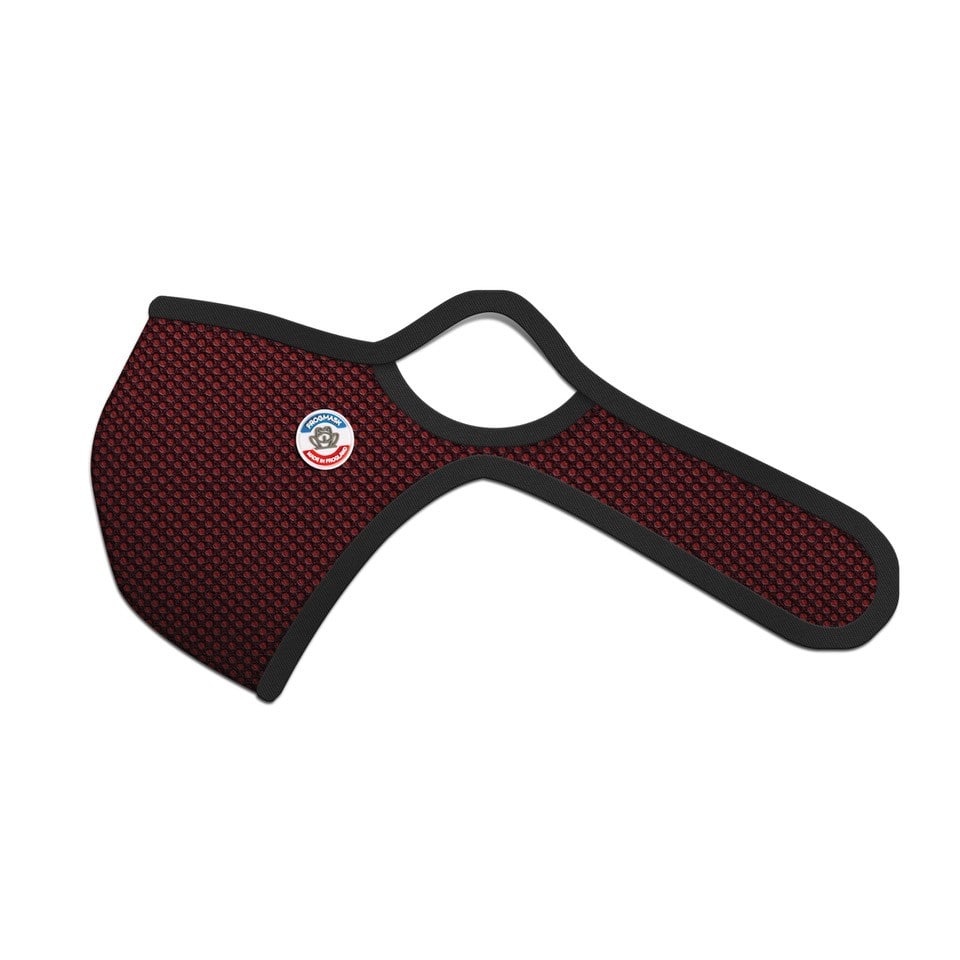
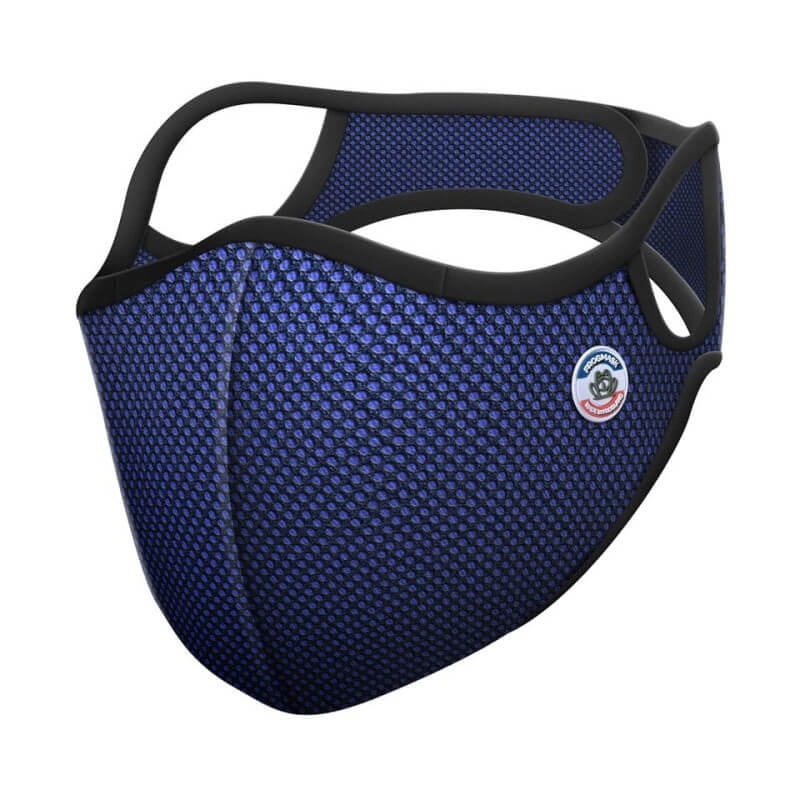
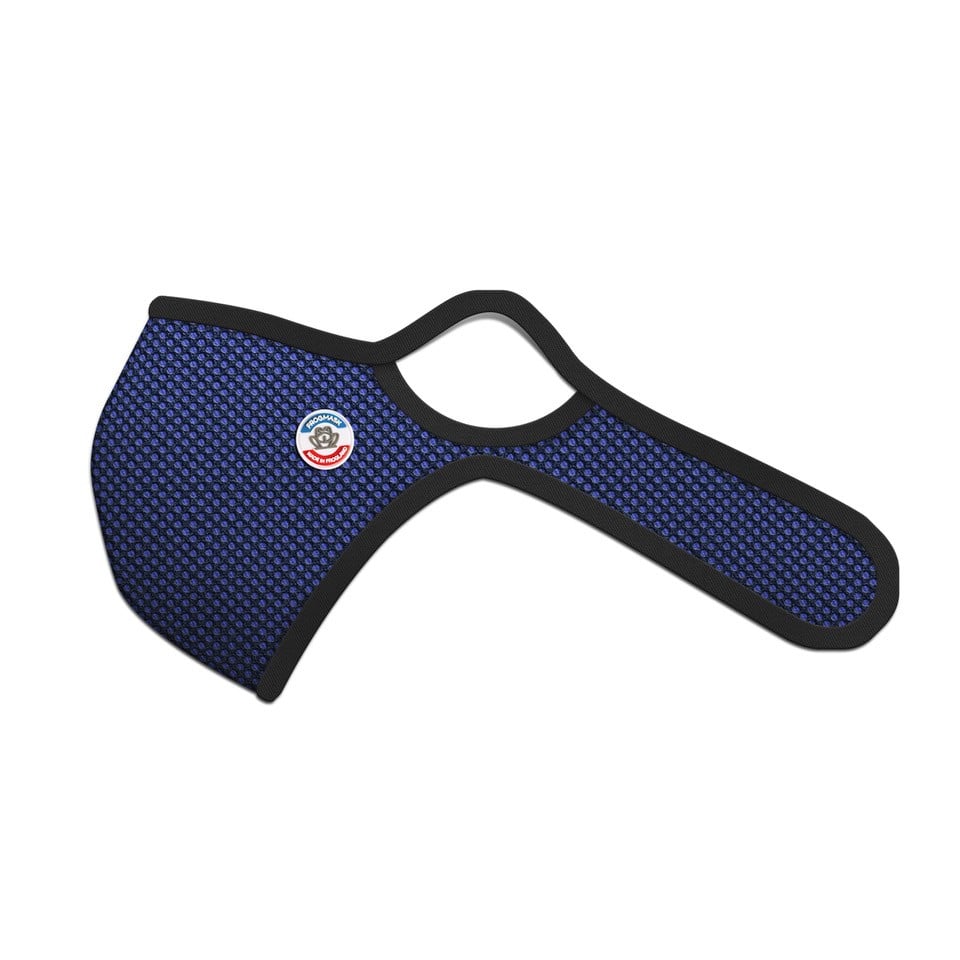
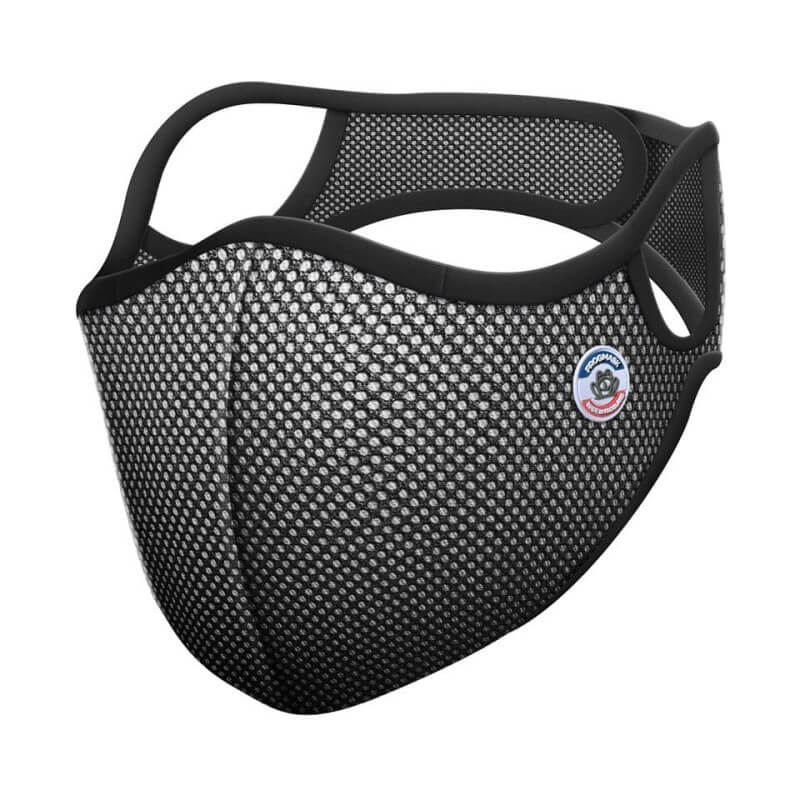
For sports, bike commuting, or gardening, it is essential to choose a mask designed for action. Look for a structure made of ultra-breathable mesh fabric that prevents condensation and provides a secure fit that does not move during exercise.
4. How long can you use a pollen filter before changing it?
Unlike urban pollution or bacteria, which quickly saturate and clog filters, pollen consists of large particles. The filter will not get "blocked" in just a few hours. Generally, for use restricted to seasonal allergies, a filter can be used for 2 to 3 weeks (depending on your daily exposure time). Beyond that, it is recommended to replace it mainly for hygiene reasons (sweat and moisture build-up from exhaled air).
5. Doesn't wearing a mask risk weakening my immune system?
Not at all. This is a misconception stemming from a misunderstanding of allergy mechanisms. A pollen allergy is not a lack of immunity; it is a hypersensitivity—your body overreacts to a completely harmless substance. Wearing a mask simply allows your immune system to rest by avoiding an exhausting inflammatory flare-up. It does not weaken your natural defenses against everyday viruses or bacteria.
6. How do you care for a reusable pollen mask?
To ensure proper hygiene without losing effectiveness, the rule is simple:
- The filter: It is not washable. You must remove it before cleaning the mask structure.
- The fabric structure: It should be washed regularly (by hand or in the washing machine usually at 30°C or 40°C max) to remove sweat, sebum, and any pollen that may have settled on the outer surface.
What is pollen?
Pollination is a natural process crucial to the development of flowers and plants. Pollen is in the form of a very fine dust produced by the flowers .
This "dust" contains fine particles that help plants create new seeds. It is a reproductive process for plants that involves naturally transporting seeds from a male flower to a female flower.
There are several ways for pollen to reach the flower to be sown, including transport by animals such as bees, butterflies and other insects, but also certain small mammals.
But, in the majority of cases, fine pollen particles are spread by the wind and, therefore, are found in large quantities in the ambient air that we breathe.
A presence in the air which is not without consequences if you are a person subject to pollen allergies .
Why does pollen cause allergies?
When people with allergies come into contact with pollen, their immune system responds by producing antibodies to fight what it perceives as an invader.
This reaction triggers the release of chemicals in the body, including histamine, which is responsible for allergy symptoms.
Allergic rhinitis or hay fever, a runny or stuffy nose, itchy eyes, nose, mouth or throat, and red, swollen or watery eyes, all of these reactions are essentially the result of an exaggerated response of the body to a harmless external substance such as pollen.
Pollen sensitivity varies greatly from person to person and can be affected by the amount of pollen in the air. Seasons also affect the presence of pollen in the air, with peaks during certain times of the year, typically spring and summer for most flowering plants and for grass pollen.
Although there are different solutions to avoid exposure to pollen: the use of antihistamine medications to control symptoms or desensitization through immunotherapy to reduce sensitivity to pollen in the long term, wearing anti-pollen masks is the most effective way. most effective and healthiest way to protect yourself.
How to protect yourself from pollen allergies?
The simplest personal protective equipment against the risks of allergies caused by pollen is the respiratory mask.
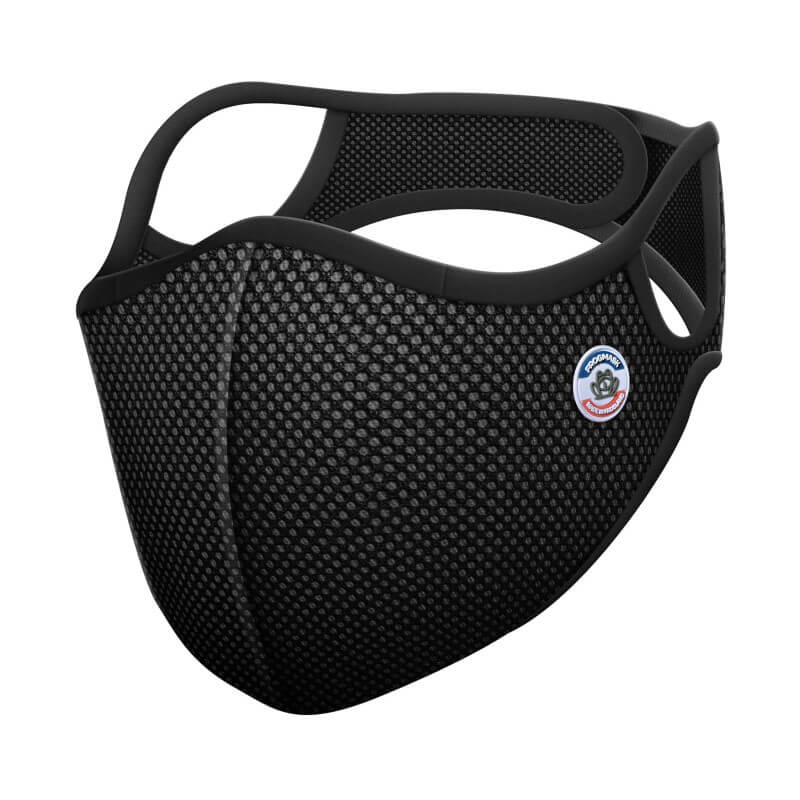
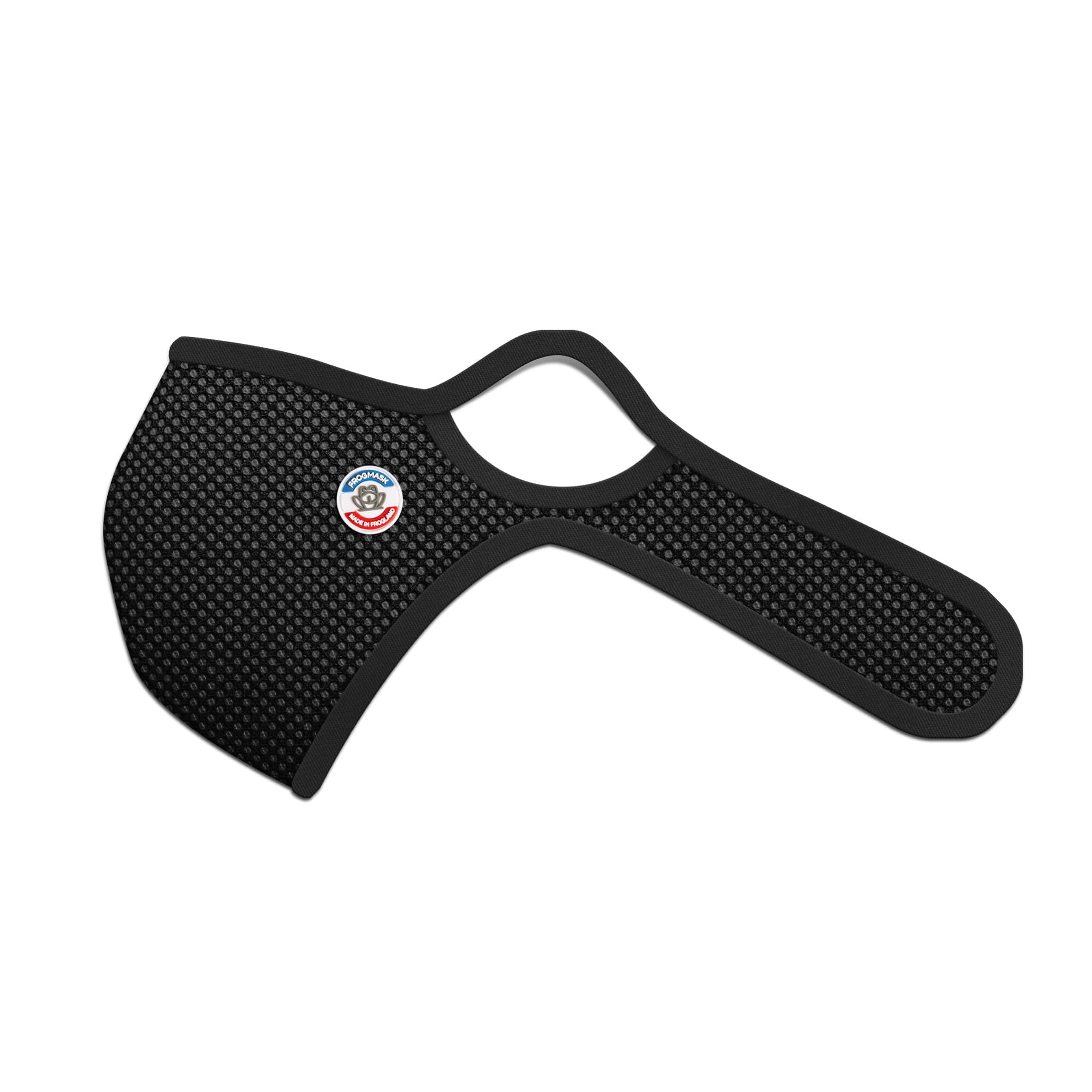
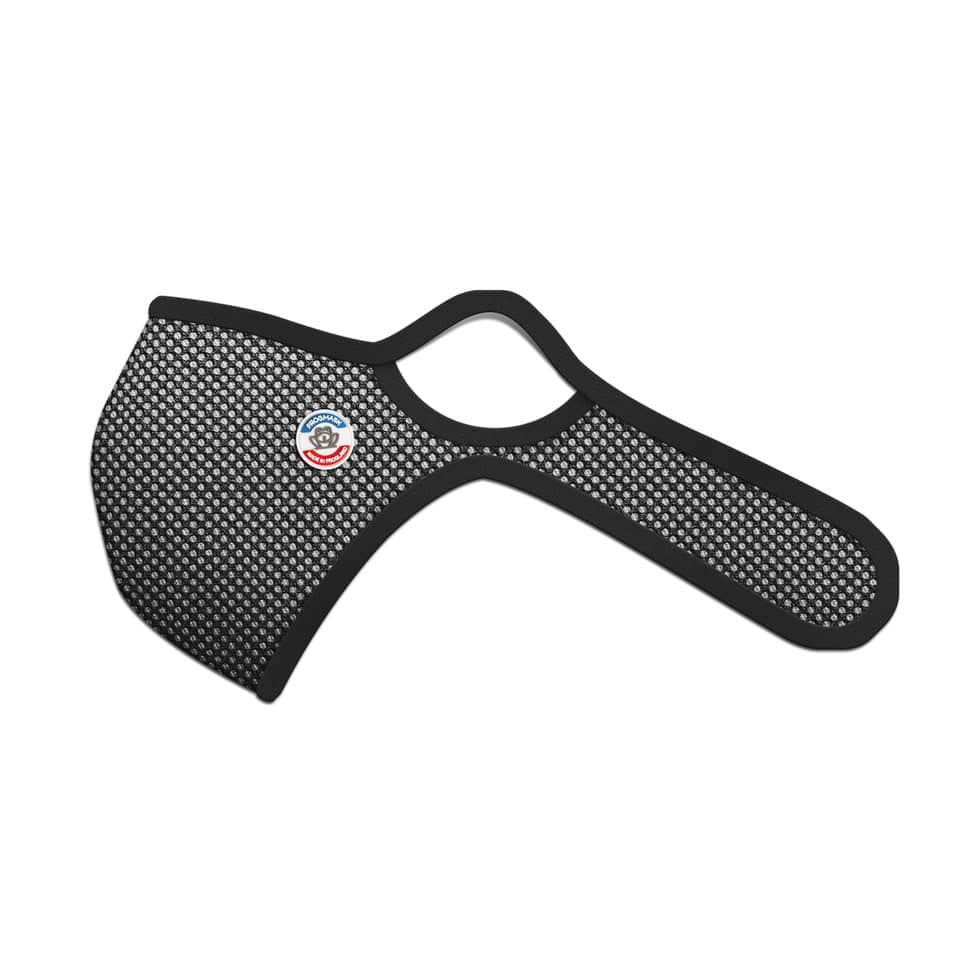
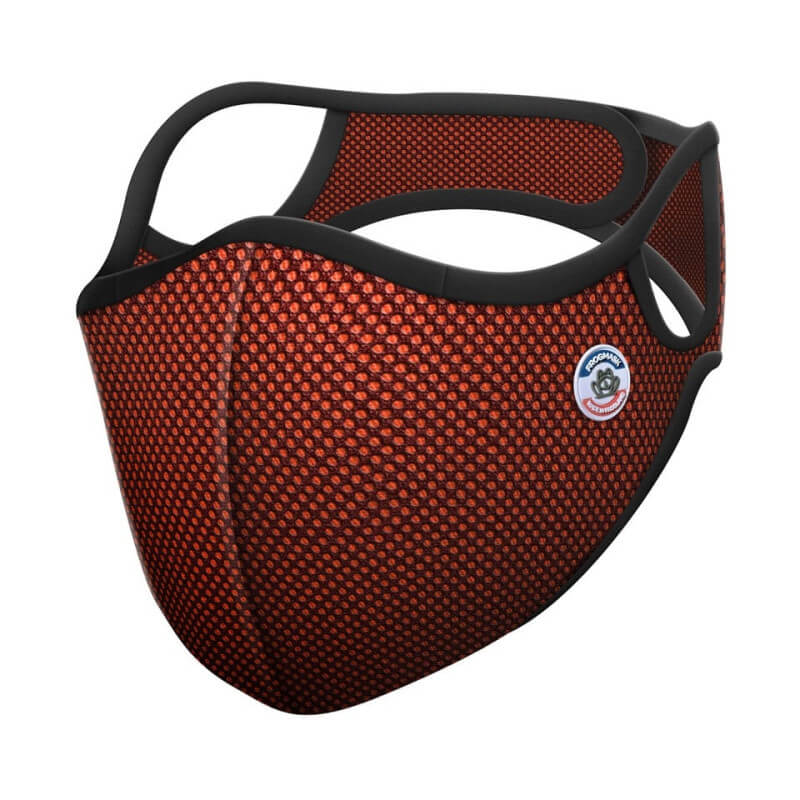
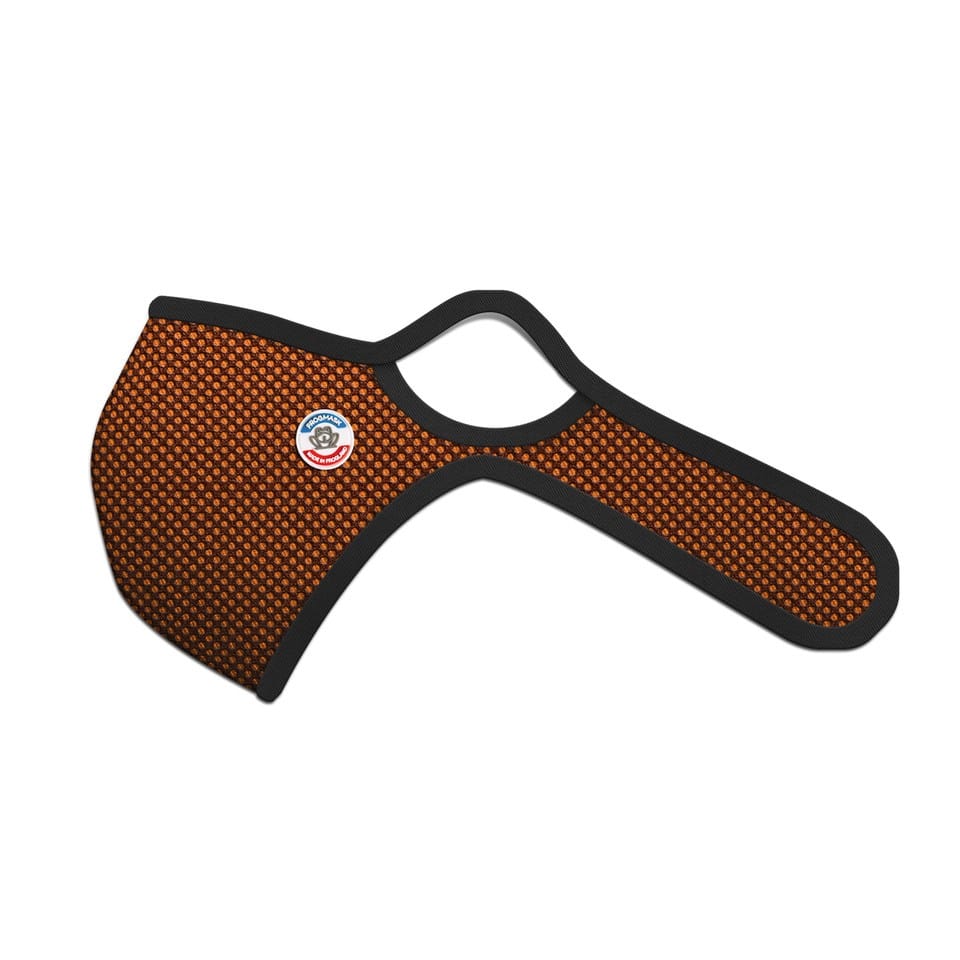
The anti-pollen mask made in France by Frogmask allows you to effectively fight against pollen allergies thanks to its many qualities:
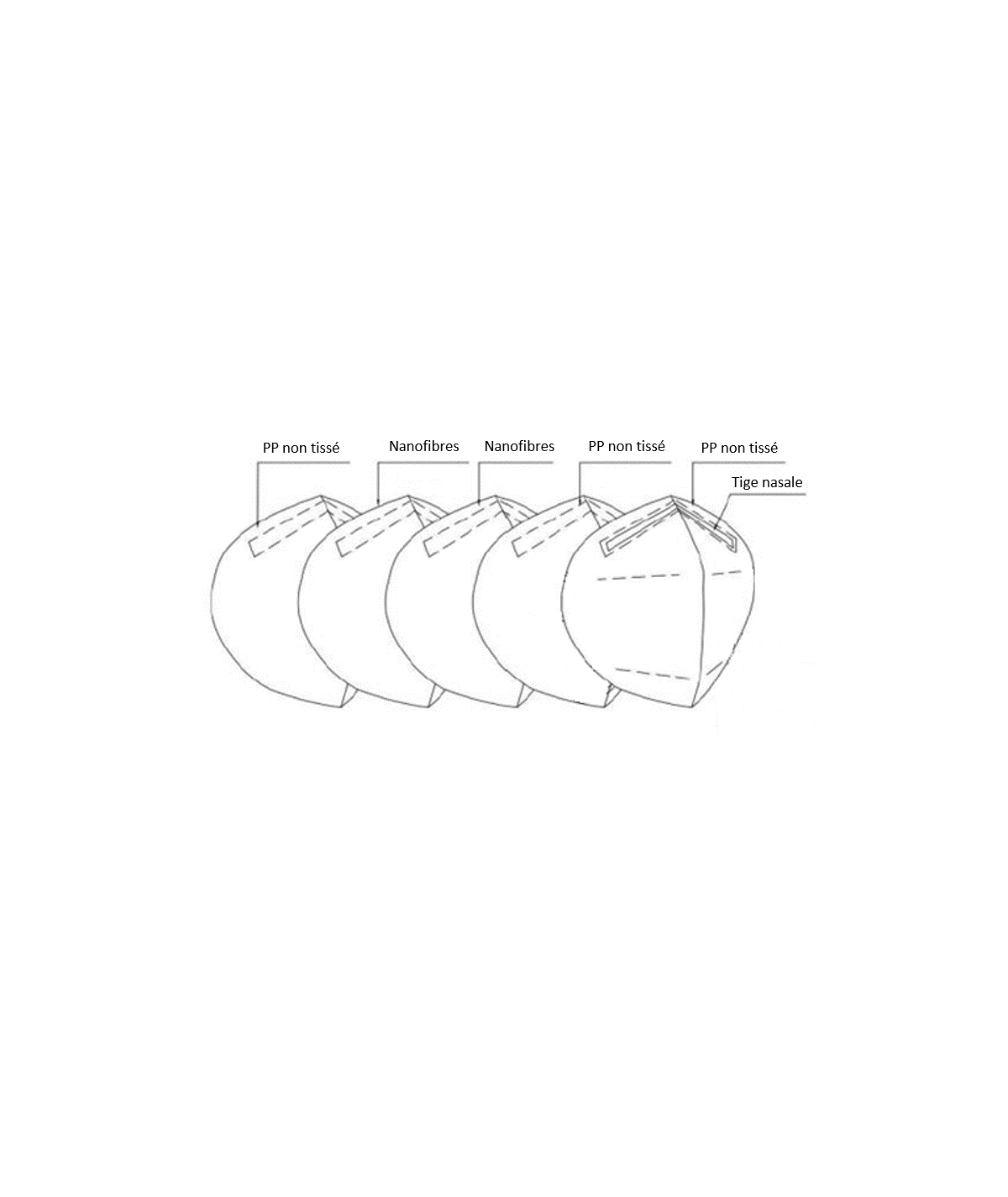
- Effective filtration : Our anti-pollen masks are designed to filter very fine particles including pollen, using high-quality filtering material which significantly reduces the inhalation of these allergenic particles.
- Great comfort of use : No more painful elastics behind the ears or the feeling of condensation, our anti-pollen masks are the result of in-depth consideration of comfort, support and effectiveness.
Our anti-pollen masks are washable and reusable, and therefore economical and ecological. Simply replace the filter regularly to ensure you breathe clean air.
- Broad-spectrum protection : In addition to pollen, our masks are also able to protect you against other airborne particles, such as dust or air pollution.
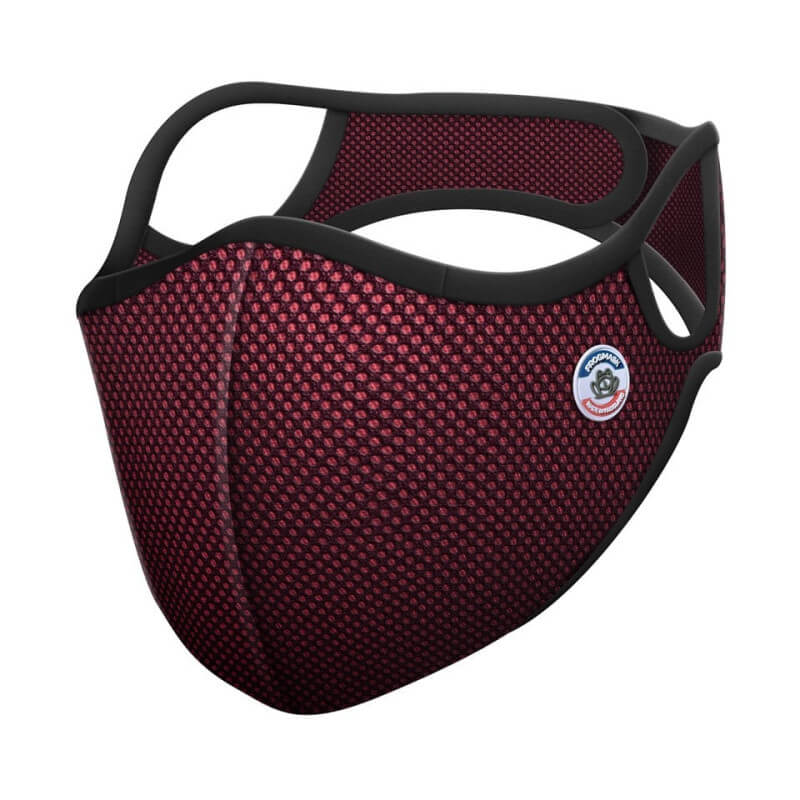
- Availability in different sizes and colors : For all ages, all face shapes and all aesthetic preferences, our masks provide effective protection for the whole family from 15 years old.
- Ease of use : Frogmask masks are easy to put on and take off, their design allows them to be worn comfortably with glasses or contact lenses without causing fogging or discomfort. This respiratory protection equipment can also be worn under a hat, a bicycle, scooter or scooter helmet, with the sole exception of full-face helmets.
Using our anti-pollen mask is much more than a preventative measure. You forget about checking the pollen count daily, limiting your outdoor activities during pollen peaks or keeping windows closed during periods of high pollen concentration.
With the Frogmask respiratory mask , you stay protected at all times!